Restaurant Chair Back Height for Comfort and Sightlines
Choose commercial furniture as operating equipment: it must support guest comfort, service routes, cleaning speed, repair access, and repeatable room resets. For restaurant chair back height, the best result comes from balancing scale, access, maintenance, and supplier documentation instead of chasing a single showroom look. This article adds measurable checks, maintenance guidance, common mistakes, and a practical buying framework.
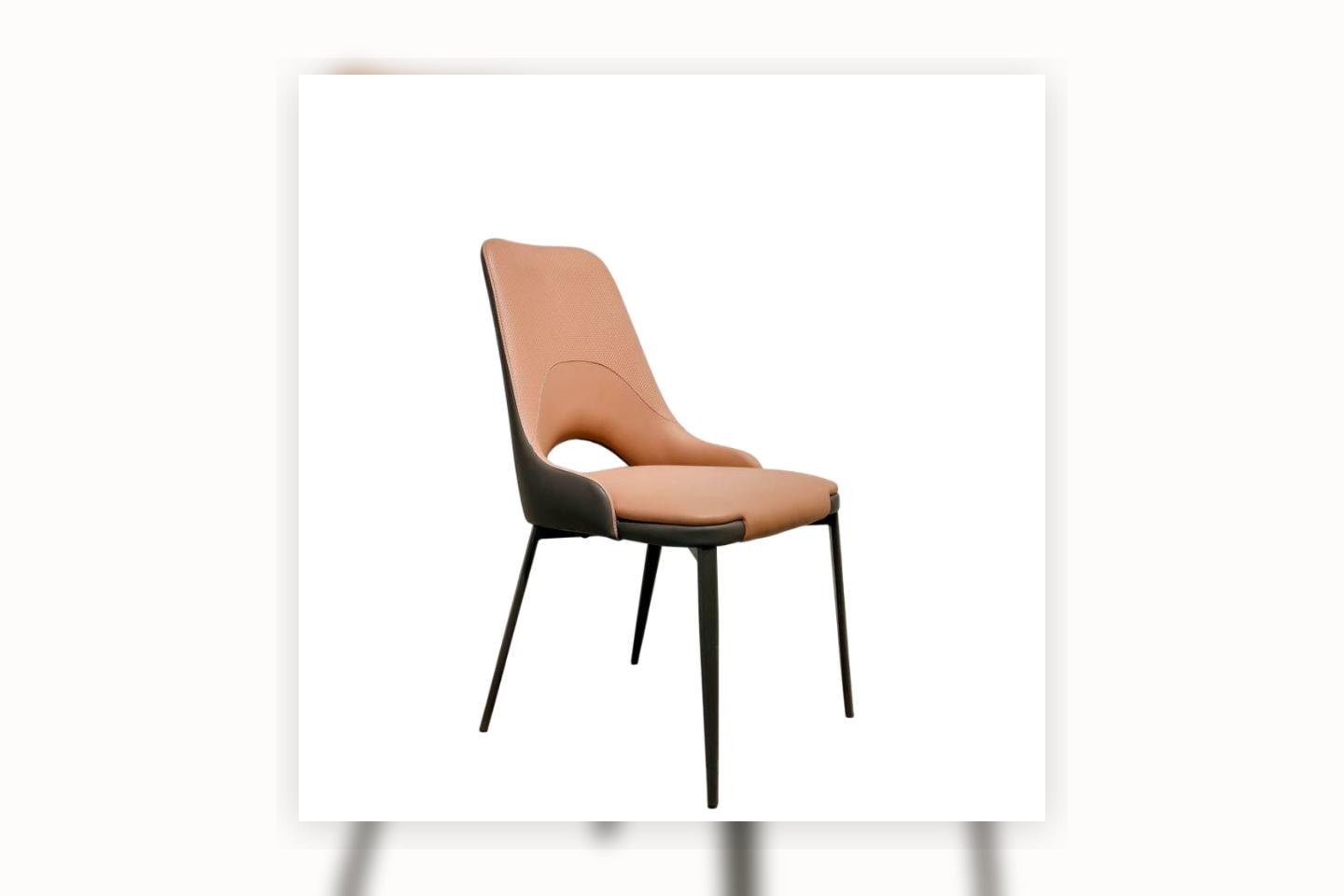
Choose commercial furniture as operating equipment: it must support guest comfort, service routes, cleaning speed, repair access, and repeatable room resets. For restaurant chair back height, the best result comes from balancing scale, access, maintenance, and supplier documentation instead of chasing a single showroom look. This is the central decision behind restaurant chair back height, and it is easier to solve with measurements than with another round of mood boards.
Quick answer: Record the active footprint, aisle clearance, reset path, cleaning time, replaceable parts, and the test method behind commercial-use claims. Adjust the benchmark for the exact room, users, product construction, and delivery path. Treat this as a planning benchmark, then verify the actual product, room, users, and supplier documentation.
Key Takeaways
- Choose commercial furniture as operating equipment: it must support guest comfort, service routes, cleaning speed, repair access, and repeatable room resets. For restaurant chair back height, the best result comes from balancing scale, access, maintenance, and supplier documentation instead of chasing a single showroom look.
- Record the active footprint, aisle clearance, reset path, cleaning time, replaceable parts, and the test method behind commercial-use claims. Adjust the benchmark for the exact room, users, product construction, and delivery path.
- trial the sample during a real service cycle
- move and clean it exactly as staff will use it
Start With the Difficult Moment
Restaurant furniture is working equipment. It influences party fit, reset time, cleaning labor, floor noise, server movement, and downtime when a component fails. Review the sample during real operations rather than approving it only in a quiet showroom.
Write down who uses the space, what they carry, how long they remain seated, and which route or function cannot be compromised. Include the awkward moment: a chair pulled out, a drawer open, a table extended, a pet turning at speed, or staff resetting a room. A decision that works in that moment usually feels effortless during ordinary use.
Dimensions That Change the Decision
Record the active footprint, aisle clearance, reset path, cleaning time, replaceable parts, and the test method behind commercial-use claims. Adjust the benchmark for the exact room, users, product construction, and delivery path. Measure the narrowest point and the occupied condition; averaging a generous side with a tight side hides the problem.
| Check | Record | Pass condition |
|---|---|---|
| Room envelope | Walls, doors, fixed storage, lighting and main route | The active furniture state preserves required access |
| Human fit | Reach, clear width, posture, knee space and pull-out movement | Regular users complete the task without collision |
| Product geometry | Top, seat, base, legs, edges, glides and moving parts | Every projection fits in stored and working states |
| Care cycle | Cleaner, drying, adjustment, repair and spare components | Maintenance fits available labor and downtime |
Three Checks That Resolve the Trade-Off
Observe: Trial The Sample During A Real Service Cycle
trial the sample during a real service cycle. Record the result in inches and centimeters and take one photograph from the normal approach. A visible record prevents memory from turning a tight fit into an optimistic one.
Compare: Move And Clean It Exactly As Staff Will Use It
move and clean it exactly as staff will use it. Run the check in the normal active position, then repeat it in the most demanding position. The solution should not depend on everyone remembering a special workaround.
Confirm: Save The Approved Sample And Part References
save the approved sample and part references. Treat this as a pass-or-revise decision. If the result is unclear, use a full-size cardboard or tape mock-up before money, delivery, or installation narrows the options.
Materials, Cleaning and Repair
Lifecycle cost includes glides, fasteners, pads, cleaning time, repairs, and the revenue effect of an unusable seat. Standardized parts and recorded item numbers let managers solve a small failure before it becomes a mismatched replacement program.
Request the material name, construction, finish, approved cleaning method, prohibited chemicals, and replacement route in writing. Inspect edges, seams, underside fixings, and floor-contact parts because these areas reveal wear before the broad visible surface. Test the intended cleaner on the exact sample and judge it only after drying.
Common Mistakes to Avoid
- Scale: approving furniture only from showroom photos. Correct this during the mock-up or sample review, while the specification can still change.
- Use: buying pieces that slow cleaning or reset work. Correct this during the mock-up or sample review, while the specification can still change.
- Construction: ignoring glides, spares, and replaceable wear parts. Correct this during the mock-up or sample review, while the specification can still change.
- Care: mixing tables that cannot join or store predictably. Correct this during the mock-up or sample review, while the specification can still change.
A Practical Selection Framework
- Define the non-negotiable job. Name the users, activity, peak condition, route, and cleaning cycle.
- Map the active footprint. Include people, pulled-out chairs, moving parts, bases, doors, and temporary positions.
- Reject incomplete specifications. Ask for drawings, construction, finish care, test context, hardware, and parts.
- Trial one accurate sample. Use it in the tightest position, move it, clean it, and inspect every contact point.
- Keep the approval record. Save dimensions, photographs, finish sample, care method, and replacement references.
Specification Checklist
- Dimensions in active and stored states
- Declared intended use and test method
- Finish and cleaner compatibility
- Moving, stacking or joining procedure
- Replaceable parts and spares ratio
- Packaging, warranty and lead time
B2B Sourcing Checks
For a quantity order, agree on finish tolerance, production-sample control, carton marks, installation responsibilities, spare-part quantities, defect reporting, and replacement lead time. Run the sample through an opening, peak period, closing clean, and room reset before releasing the full order.
Verify destination-specific accessibility, fire, egress, installation, and testing obligations with qualified project professionals. Keep one approved control sample so later deliveries can be compared with something more precise than memory or screen color.
Related Product Directions
Use the published dimensions and construction details as comparison points, then confirm the current specification for the intended project. Start with the white dining chair, metal dining chair, and stackable dining chair. A different footprint can be compared through the modern dining table, wood-frame dining chair, and dining table and chairs.
Document the Final Comparison
Put the final two options in one table and score only evidence that can be verified. Add columns for room fit, user comfort, daily cleaning, repair access, supplier documentation, delivery risk, and total replacement cost. Note which claims came from a drawing, a physical sample, or a general description. For restaurant chair back height, give the highest weight to trial the sample during a real service cycle and save the approved sample and part references. Record any compromise in plain language so it can be checked again after installation. This prevents a minor styling preference from quietly overriding a route, stability, comfort, or maintenance requirement.
Check the Decision After Delivery
Recheck restaurant chair back height after the furniture has been used for one week and again after the first month. Confirm that routes remain clear at busy times, chairs and moving parts still operate without contact, the finish responds well to normal cleaning, and the chosen dimensions still support everyday tasks. Record any adjustment while the order details and supplier support information are easy to retrieve.
Conclusion
Choose commercial furniture as operating equipment: it must support guest comfort, service routes, cleaning speed, repair access, and repeatable room resets. For restaurant chair back height, the best result comes from balancing scale, access, maintenance, and supplier documentation instead of chasing a single showroom look. For restaurant chair back height, the strongest decision is the one that remains comfortable, clear, and serviceable after the room changes from a photograph into daily use.
Frequently Asked Questions
What should I measure first for restaurant chair back height?
Record the active footprint, aisle clearance, reset path, cleaning time, replaceable parts, and the test method behind commercial-use claims. Adjust the benchmark for the exact room, users, product construction, and delivery path.
How can I test restaurant chair back height before buying?
Start with trial the sample during a real service cycle. Then move and clean it exactly as staff will use it, and finish by confirming that save the approved sample and part references. Use the real room or a full-size mock-up.
Which mistake matters most with restaurant chair back height?
The most expensive early mistake is approving furniture only from showroom photos. It can distort every later style and material decision, so resolve it before ordering.
What should a supplier document for restaurant chair back height?
Ask for a dimensioned drawing, material and finish construction, care limits, intended-use statement, relevant test context, assembly information, and replaceable-part details.
Share this article: