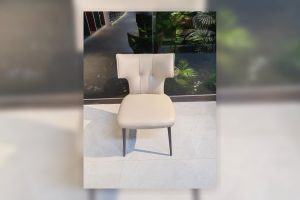
Open Living Dining Room Furniture Zones is a practical furniture question, not just a style choice. Open-plan room posts often ask how to separate living and dining without walls. The best answer depends on measurement, daily habits, material care, traffic flow, and whether the furniture must work for a home, cafe, rental apartment, showroom, or hospitality project. Many ideas use rugs and lighting but miss table clearance and sofa orientation.
Quick Answer
Choose open living dining room furniture zones by checking the room footprint, the open clearance, the sitting height, and the material before comparing decorative details. If the layout is compact, prioritize clear walking paths and flexible pieces. If the furniture will be used every day, prioritize stable construction, easy cleaning, and comfortable proportions. Related pieces such as multi-functional rock slab round table and black marble coffee table can help buyers compare practical shapes and finishes.
Key Takeaways
- Open Living Dining Room Furniture Zones should solve a specific room problem before it adds decoration.
- Measure active clearance, not only the furniture footprint.
- Material, cleaning, and comfort decide whether the choice still works after daily use.
- For projects and repeat orders, request specifications before approving the final design.
What Buyers Usually Ask
The common question behind open living dining room furniture zones is simple: will this choice make the room easier to live in? Buyers are usually balancing comfort, size, storage, traffic flow, and style. A small-space buyer may want fewer pieces. A family may want easier cleaning. A designer may want balance across an open living and dining area. A restaurant or cafe buyer may want durability and repeatable sizing.
For this topic, the strongest content needs more than inspiration images. It needs a direct framework that explains when the idea works, when it fails, and what to check before ordering. That is why this guide uses tables, measurements, material notes, and furniture links such as sleek marble coffee table and contemporary marble coffee table in separate sections rather than placing every product suggestion in one list.
Room Fit and Layout Planning
Start with the real room, not the product image. Mark the furniture footprint on the floor, then test the space with chairs pulled out, table mechanisms open, drawers extended, or stools moved into position. For open living dining room furniture zones, the layout should still allow normal walking, cleaning, serving, and sitting after the furniture is being used.
Planning Table for Open Living Dining Room Furniture Zones
| Decision point | What to measure | Better buying choice |
| Main furniture zone | Measure the clear floor area after sofa, chairs, or dining seating are included. | Choose a piece that leaves daily movement comfortable, not just technically possible. |
| Height and reach | Compare table height, seat height, arm height, and the distance from the sitting position. | Avoid furniture that looks balanced in photos but feels awkward to use. |
| Storage and access | Open drawers, lift tops, leaves, or pull-out chairs in the planned layout. | Check the product in its active position, not only closed. |
| Visual weight | Look at color, leg thickness, tabletop thickness, chair back height, and rug coverage. | Use lighter forms in tight rooms and stronger forms only where the room can carry them. |
Material, Comfort, and Maintenance
Material changes the long-term value of open living dining room furniture zones. A polished stone-look top can make a room feel refined, but it asks for mild cleaning. Upholstered chairs can make meals more comfortable, but fabric care matters. Dark finishes can create contrast, but lighting and dust visibility must be considered. Flexible mechanisms can save space, but the hardware needs to feel steady and safe.
Material Comparison
| Material or feature | Good for | Watch before buying |
| Marble-look or stone-look top | A refined modern focal point in living or dining rooms. | Use mild cleaning habits and check edge protection. |
| Upholstered chair | Longer meals, softer rooms, and comfortable dining. | Check stain resistance, seams, foam feel, and seat depth. |
| Lift, leaf, or folding mechanism | Small spaces that need flexible function. | Check hinge quality, wobble, finger clearance, and locking stability. |
| Dark finish or black seating | Contrast, modern style, and easier visual grounding. | Balance with lighting, wall color, rugs, and dust visibility. |
Style Matching Without Overmatching
Open Living Dining Room Furniture Zones does not need every furniture piece to match perfectly. The room usually looks better when one detail repeats: a leg color, a wood tone, a rounded edge, a marble-look surface, a black accent, or a soft upholstery texture. Buyers can compare modern coffee table with storage marble coffee table when they want a stronger modern direction without making the room feel forced.
Buyer Mistakes to Avoid
Most regrets happen because the buyer approves the appearance before testing the function. With open living dining room furniture zones, the most common problems are blocked walkways, uncomfortable reach, chairs that do not move properly, storage that is hard to open, and surfaces that do not match cleaning habits.
Common Mistakes and Fixes
| Common mistake | Why it becomes a problem | Practical fix |
| Buying from one photo | The photo hides walking space, chair movement, and open storage clearance. | Tape the footprint on the floor and test real movement. |
| Ignoring nearby furniture | Coffee tables, dining tables, chairs, rugs, and cabinets compete for the same space. | Plan the full zone before choosing the main piece. |
| Forgetting daily cleanup | Beautiful finishes can become annoying when crumbs, marks, or dust show quickly. | Match material to real cleaning habits. |
| Skipping specifications | Project buyers need repeatable size, finish, packaging, and reorder details. | Request dimensions, material notes, carton size, and care instructions. |
Detailed Buying Notes for Open Living Dining Room Furniture Zones
Practical check 1: Small rooms need furniture zones that can overlap without blocking daily movement. Check this point with the furniture in its used position, because closed dimensions rarely tell the full story. This keeps open living dining room furniture zones connected to real room use instead of vague decoration advice.
Practical check 2: Open-plan layouts work better when rugs, lighting, table shape, and seating direction quietly define each area. This is especially important when a buyer is combining coffee tables, dining tables, chairs, rugs, and storage in one room. This keeps open living dining room furniture zones connected to real room use instead of vague decoration advice.
Practical check 3: Multiuse furniture should be approved by its open position, storage position, and cleaning position. For commercial or project use, the same point should be documented in a specification sheet before ordering. This keeps open living dining room furniture zones connected to real room use instead of vague decoration advice.
Practical check 4: The room should not rely on one large piece to solve every function. A practical layout should still look calm after trays, cups, plates, laptops, cushions, and everyday items appear. This keeps open living dining room furniture zones connected to real room use instead of vague decoration advice.
Practical check 5: A successful compact layout keeps eating, working, relaxing, and storage visually separate enough to feel calm. Check this point with the furniture in its used position, because closed dimensions rarely tell the full story. This keeps open living dining room furniture zones connected to real room use instead of vague decoration advice.
Practical check 6: Small rooms need furniture zones that can overlap without blocking daily movement. This is especially important when a buyer is combining coffee tables, dining tables, chairs, rugs, and storage in one room. This keeps open living dining room furniture zones connected to real room use instead of vague decoration advice.
Practical check 7: Open-plan layouts work better when rugs, lighting, table shape, and seating direction quietly define each area. For commercial or project use, the same point should be documented in a specification sheet before ordering. This keeps open living dining room furniture zones connected to real room use instead of vague decoration advice.
Practical check 8: Multiuse furniture should be approved by its open position, storage position, and cleaning position. A practical layout should still look calm after trays, cups, plates, laptops, cushions, and everyday items appear. This keeps open living dining room furniture zones connected to real room use instead of vague decoration advice.
Practical check 9: The room should not rely on one large piece to solve every function. Check this point with the furniture in its used position, because closed dimensions rarely tell the full story. This keeps open living dining room furniture zones connected to real room use instead of vague decoration advice.
Practical check 10: A successful compact layout keeps eating, working, relaxing, and storage visually separate enough to feel calm. This is especially important when a buyer is combining coffee tables, dining tables, chairs, rugs, and storage in one room. This keeps open living dining room furniture zones connected to real room use instead of vague decoration advice.
Practical check 11: Small rooms need furniture zones that can overlap without blocking daily movement. For commercial or project use, the same point should be documented in a specification sheet before ordering. This keeps open living dining room furniture zones connected to real room use instead of vague decoration advice.
Practical check 12: Open-plan layouts work better when rugs, lighting, table shape, and seating direction quietly define each area. A practical layout should still look calm after trays, cups, plates, laptops, cushions, and everyday items appear. This keeps open living dining room furniture zones connected to real room use instead of vague decoration advice.
Practical check 13: Multiuse furniture should be approved by its open position, storage position, and cleaning position. Check this point with the furniture in its used position, because closed dimensions rarely tell the full story. This keeps open living dining room furniture zones connected to real room use instead of vague decoration advice.
Practical check 14: The room should not rely on one large piece to solve every function. This is especially important when a buyer is combining coffee tables, dining tables, chairs, rugs, and storage in one room. This keeps open living dining room furniture zones connected to real room use instead of vague decoration advice.
Practical check 15: A successful compact layout keeps eating, working, relaxing, and storage visually separate enough to feel calm. For commercial or project use, the same point should be documented in a specification sheet before ordering. This keeps open living dining room furniture zones connected to real room use instead of vague decoration advice.
Practical check 16: Small rooms need furniture zones that can overlap without blocking daily movement. A practical layout should still look calm after trays, cups, plates, laptops, cushions, and everyday items appear. This keeps open living dining room furniture zones connected to real room use instead of vague decoration advice.
Practical check 17: Open-plan layouts work better when rugs, lighting, table shape, and seating direction quietly define each area. Check this point with the furniture in its used position, because closed dimensions rarely tell the full story. This keeps open living dining room furniture zones connected to real room use instead of vague decoration advice.
Practical check 18: Multiuse furniture should be approved by its open position, storage position, and cleaning position. This is especially important when a buyer is combining coffee tables, dining tables, chairs, rugs, and storage in one room. This keeps open living dining room furniture zones connected to real room use instead of vague decoration advice.
Specification Sheet to Request
Before buying open living dining room furniture zones, request overall dimensions, material description, surface thickness, frame material, finish color, package size, gross weight, care notes, and customization options. For chairs, also request seat height, seat depth, backrest height, foam details, and arm height. For tables with moving parts, request mechanism details, opening clearance, and stability notes.
Related Product Recommendations
Buyers comparing open living dining room furniture zones can also review modern round marble coffee table and sleek round coffee table for related product directions. Use product links as reference points for shape, material, and room application, then confirm final dimensions before ordering.
Conclusion
Open Living Dining Room Furniture Zones works best when the buyer measures the full furniture zone, checks comfort and cleaning, and confirms specifications before choosing the final style. The right choice should make the room easier to use, not just more decorative.
FAQ
What should I check first for
Check the room footprint, active clearance, seating position, and cleaning needs first. Style comes after the furniture proves it can work in the room.
Can open living dining room furniture zones work in a small apartment?
Yes, if the piece leaves walking space, opens or moves without blocking the layout, and matches the main daily use.
How do I avoid buying the wrong size?
Use tape on the floor, test chair pull-out or table opening space, and compare the furniture height with nearby seating.
What matters for project buyers?
Project buyers should request dimensions, materials, finish samples, package data, lead time, reorder options, and care instructions before approval.
For open living dining room furniture zones, one more useful check is to compare the planned furniture with the way the room is actually used at the busiest moment of the day. A table, chair, bench, or stool may look right when the room is empty, but the final decision should consider people moving, meals being served, books and devices placed down, and cleaning after use. This practical test helps buyers choose furniture that keeps working after the first week.
For open living dining room furniture zones, one more useful check is to compare the planned furniture with the way the room is actually used at the busiest moment of the day. A table, chair, bench, or stool may look right when the room is empty, but the final decision should consider people moving, meals being served, books and devices placed down, and cleaning after use. This practical test helps buyers choose furniture that keeps working after the first week.
For open living dining room furniture zones, one more useful check is to compare the planned furniture with the way the room is actually used at the busiest moment of the day. A table, chair, bench, or stool may look right when the room is empty, but the final decision should consider people moving, meals being served, books and devices placed down, and cleaning after use. This practical test helps buyers choose furniture that keeps working after the first week.
For open living dining room furniture zones, one more useful check is to compare the planned furniture with the way the room is actually used at the busiest moment of the day. A table, chair, bench, or stool may look right when the room is empty, but the final decision should consider people moving, meals being served, books and devices placed down, and cleaning after use. This practical test helps buyers choose furniture that keeps working after the first week.
For open living dining room furniture zones, one more useful check is to compare the planned furniture with the way the room is actually used at the busiest moment of the day. A table, chair, bench, or stool may look right when the room is empty, but the final decision should consider people moving, meals being served, books and devices placed down, and cleaning after use. This practical test helps buyers choose furniture that keeps working after the first week.
For open living dining room furniture zones, one more useful check is to compare the planned furniture with the way the room is actually used at the busiest moment of the day. A table, chair, bench, or stool may look right when the room is empty, but the final decision should consider people moving, meals being served, books and devices placed down, and cleaning after use. This practical test helps buyers choose furniture that keeps working after the first week.
For open living dining room furniture zones, one more useful check is to compare the planned furniture with the way the room is actually used at the busiest moment of the day. A table, chair, bench, or stool may look right when the room is empty, but the final decision should consider people moving, meals being served, books and devices placed down, and cleaning after use. This practical test helps buyers choose furniture that keeps working after the first week.
For open living dining room furniture zones, one more useful check is to compare the planned furniture with the way the room is actually used at the busiest moment of the day. A table, chair, bench, or stool may look right when the room is empty, but the final decision should consider people moving, meals being served, books and devices placed down, and cleaning after use. This practical test helps buyers choose furniture that keeps working after the first week.
For open living dining room furniture zones, one more useful check is to compare the planned furniture with the way the room is actually used at the busiest moment of the day. A table, chair, bench, or stool may look right when the room is empty, but the final decision should consider people moving, meals being served, books and devices placed down, and cleaning after use. This practical test helps buyers choose furniture that keeps working after the first week.
For open living dining room furniture zones, one more useful check is to compare the planned furniture with the way the room is actually used at the busiest moment of the day. A table, chair, bench, or stool may look right when the room is empty, but the final decision should consider people moving, meals being served, books and devices placed down, and cleaning after use. This practical test helps buyers choose furniture that keeps working after the first week.
For open living dining room furniture zones, one more useful check is to compare the planned furniture with the way the room is actually used at the busiest moment of the day. A table, chair, bench, or stool may look right when the room is empty, but the final decision should consider people moving, meals being served, books and devices placed down, and cleaning after use. This practical test helps buyers choose furniture that keeps working after the first week.
For open living dining room furniture zones, one more useful check is to compare the planned furniture with the way the room is actually used at the busiest moment of the day. A table, chair, bench, or stool may look right when the room is empty, but the final decision should consider people moving, meals being served, books and devices placed down, and cleaning after use. This practical test helps buyers choose furniture that keeps working after the first week.