dining table height is a useful topic because the best choice depends on real room behavior, not just a product photo. Size, material, clearance, cleaning, and styling all decide whether the table feels natural after delivery.
This article focuses on practical decisions for buyers, homeowners, designers, and project purchasers. It covers the points that are easy to miss: proportions, maintenance, chair or sofa pairing, daily movement, and specification details.
Quick Answer
A dining table height works best when its dimensions, material, and finish match the room’s daily routine. Start with clearance and comfort, then narrow the shortlist by surface care, visual weight, storage or extension needs, and long-term durability.
Related Search Questions Covered
- standard dining table height
- chair seat height
- table clearance
Height Must Match Chair Comfort
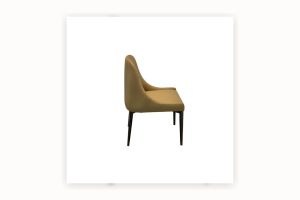
Dining table height is only useful when chair seat height, leg clearance, cushion compression, and arm clearance are checked together. A table can be standard and still feel wrong with the wrong chair.
Measure Under the Apron
The underside clearance matters for knees. Thick tops, storage rails, or apron details can reduce usable space even when the overall table height looks normal.
Start With Seats, Not Only Table Length
A dining table height should be chosen by the number of people, chair width, walkway clearance, and how meals are served. The table may look right in an empty dining room but fail once chairs are pulled out and people move around it.
Shape Changes Conversation and Flow
Rectangular tables organize longer rooms and larger groups. Round tables soften conversation and movement. Extendable and drop-leaf designs help rooms that change between weekday meals and weekend guests.
Material Affects Care and Weight
Wood brings warmth and repairability, marble and stone-look tops feel polished but heavier, and engineered surfaces can offer easier care. Buyers should compare surface care, edge profile, base stability, and delivery access.
Chair Clearance Is Part of the Table
A dining table decision is incomplete without chair spacing. Check chair width, arm height, back angle, and how far the chair pulls out. A beautiful table can feel crowded if chairs cannot move comfortably.
Project Buyers Need Repeatable Specs
For restaurants, furnished apartments, and hospitality spaces, record top size, base footprint, finish, carton size, gross weight, chair pairing, and replacement terms before placing repeat orders.
Dining Size and Clearance Planning
Leave enough room for chairs to pull out and for people to pass behind seated guests. Small dining rooms often need slimmer tables, round shapes, or extendable tops so daily use remains comfortable.
Finish and Cleaning Checks
Dining tables face hot dishes, spills, cutlery, and repeated wiping. Ask how the top is sealed, what cleaners are allowed, and whether the finish can be repaired after scratches or water marks.
Comparison Checklist
| Decision Point | What to Check | Why It Matters |
|---|---|---|
| Table height | Top and underside clearance | Protects knee comfort |
| Chair seat | Seat height and cushion compression | Controls posture |
| Chair arms | Fit under table | Prevents blocked seating |
Common Buying Mistakes
| Decision Point | What to Check | Why It Matters |
|---|---|---|
| Choosing from photos only | Measure the real room first | Prevents scale problems |
| Ignoring daily cleaning | Match material to habits | Keeps the surface attractive |
| Forgetting clearance | Test movement around seats | Avoids a crowded room |
| Skipping specification notes | Record finish, size, weight, and packing | Makes repeat orders easier |
Product Selection Framework
Shortlist products by size, finish, and use case. Useful starting points include modern marble dining table, modern white dining table, round dining table, modern marble coffee table. For custom sizing, finish confirmation, or project orders, contact our furniture team before final approval.
Specification Checklist
- Overall length, width, diameter, height, and underside clearance.
- Top material, thickness, edge profile, color, and finish code.
- Base footprint, stability, floor protection, and cleaning access.
- Room clearance from sofa, chairs, walls, rug edges, and walking paths.
- Care instructions, stain risk, scratch risk, and recommended daily protection.
- Carton size, gross weight, lead time, MOQ, and replacement availability.
After-Delivery Inspection
After delivery, inspect the tabletop under natural light and indoor lighting. Check the edge, corners, base joints, surface level, finish consistency, and whether the product sits stable on the floor. Place the table in its final position before adding heavy decor or dinnerware, then test normal movement around it. If chairs, sofas, rugs, or side cabinets feel cramped, adjust placement before assuming the size is wrong.
For repeat projects, take installed photos from the front, side, and walking path. Save the product size, finish name, carton details, and any notes about assembly or cleaning. These records make future reorders easier and reduce the risk of mixing slightly different finishes across rooms.
When Custom Sizing Makes Sense
Custom sizing is useful when the room has a fixed banquette, a narrow walkway, an unusual sofa depth, a special chair width, or a commercial layout with strict seat counts. It is also helpful when a project needs one finish across coffee tables, dining tables, and related seating. Before confirming custom work, ask for drawings, finish samples, tolerance notes, packing details, and a clear approval process.
B2B Sourcing Checklist
Commercial buyers should request finish samples, close-up surface photos, packing photos, carton dimensions, tolerance notes, loading information, and after-sales replacement terms. For cafes, restaurants, apartments, and showrooms, consistency and reorder stability are as important as first-order appearance.
FAQ
What should I check first before buying a dining table height?
Measure the room and seating layout first, then compare material, finish, stability, and cleaning needs.
Is a dining table height good for small spaces?
It can be, if the footprint leaves enough walking clearance and the table does not block daily movement.
What material is best for a dining table height?
The best material depends on use. Wood feels warm, stone and marble feel polished, glass feels light, and functional designs need strong hardware.
How do I keep a dining table height looking good?
Use coasters or placemats when needed, wipe spills quickly, avoid harsh cleaners, and follow the surface-specific care instructions.
What should project buyers confirm?
Confirm dimensions, finish samples, packing, lead time, MOQ, replacement parts, and whether the product can be reordered consistently.