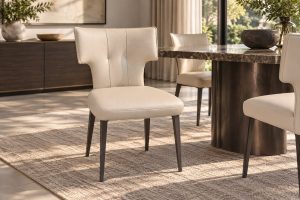
Choosing the right edge for your tables is more than a detail—it’s about safety, style, and daily comfort. This guide breaks down the key differences between dining table edge profiles and coffee table edge styles, helping you pick the perfect finish for each space in your home.
Dining vs. Coffee: Why Context is Everything
Hey there! Let’s talk about table edges. You might be wondering why we’re comparing dining table edge details with coffee table edge designs separately. Well, it’s because these two pieces of furniture live very different lives in your home. Think of it like shoes: you wouldn’t choose the same pair for a long hike as you would for a cozy night in, right? The same logic applies here. The function and feel of each room should guide your decision on table edge finishes.
Function First: The Daily Grind
Your dining table is a workhorse. It’s where meals happen, homework gets done, and game nights come alive. Because of this high traffic, the edge profile of a dining table needs to be practical. Sharp, square edges (often called a square edge profile) might snag sleeves or pose a bump risk for little ones. In contrast, your coffee table is more of a lounge accessory. Its primary jobs are to hold drinks, display books, and maybe prop up your feet. The edge style of a coffee table
Style Second: Setting the Mood
Beyond function, each table sets a tone. A dining table often anchors a formal or semi-formal space, so its edge can contribute to a refined look. A coffee table, sitting in your living room, is a central piece for relaxation and conversation. Its edge can be a bold statement or a soft, inviting curve. Understanding this difference between furniture edge types helps you match the piece to the room’s personality perfectly.
Dining Table Edge Profile Deep Dive
When selecting a dining table trim, comfort and durability are your top priorities. You want a table that feels good to lean on during long conversations and can withstand the occasional bump. Let’s look at some common options you’ll encounter while shopping.
Popular Dining Table Edge Profiles
Here are a few classics you’ll see everywhere:
Bullnose or Fully Rounded: This is the king of comfort. The edge is softly rounded all over, making it incredibly friendly for elbows and safe for all ages. It’s a timeless choice that works with many decor styles.
Beveled Edge: This profile features a angled cut (usually 45 degrees) along the top edge. It removes the sharp corner for a slightly more refined and modern look than a pure square edge, while still maintaining a clean line.
Ogee Edge: This is a more decorative profile with an elegant S-shaped curve. It adds a touch of traditional or formal sophistication to a dining room. You can learn more about this and other detailed profiles from resources like Wood Magazine’s guide to ogee edges.
Waterfall Edge: A very modern look where the tabletop material (like stone or wood) continues seamlessly over the edge and down the side. It’s sleek but can feel less “lean-able” than rounded options.
Choosing Your Dining Table Edge Finish
My best advice? Think about your household. For families, a bullnose or a softened edge is almost always the way to go. If your style is more mid-century modern, a clean bevel or a subtle round-over might be perfect. And remember, the table’s material matters too—a sharp marble edge feels very different from a sharp wood edge!
Coffee Table Edge Style Exploration
Now for the fun part: the coffee table. Since it’s lower and in a more casual space, you have more freedom to play with coffee table border designs. The goal is to complement your sofa and overall lounge aesthetic, whether that’s ultra-modern, rustic, or bohemian.
Top Coffee Table Edge Styles
Coffee table edges often have more personality:
Live Edge: This style celebrates the natural, irregular contour of the wood slab. It brings an organic, one-of-a-kind feel to a room and is a huge trend for a reason.
Chamfered Edge: Similar to a bevel but often refers to a cut on the corner of a thicker piece. It gives a contemporary, architectural look without being too harsh.
Recessed or Soft-Close Edge: Here, the top overhangs the base slightly, creating a shadow line. It’s a very popular modern look that makes the table appear to float.
Ornate Carved Edges: Think of traditional, detailed woodwork. This style makes a coffee table a true focal point and works well in classic or glamorous settings. For inspiration on woodworking techniques behind various edges, Fine Woodworking is an excellent resource.
Selecting a Coffee Table Edge Design
Consider the flow of your living room. A live edge or rounded table is fantastic in a space where people move around it frequently. A sharp, geometric design can look stunning but needs a bit more clearance. I always tell friends to get down on their couch and visualize—will that corner be in your knee’s path? A little imagination goes a long way in choosing the right table edge style for living rooms.
Making Your Final Choice
So, which suits your home? The answer is usually a mix! Don’t feel pressured to match the edge profiles on tables perfectly across rooms. A comfortable, rounded dining table edge for daily family life paired with a bold, live-edge coffee table for your lounge area can create a wonderfully layered and personal home. Start by listing the non-negotiables for each table (safety, comfort, style), see what profiles fit that list, and don’t be afraid to touch samples in a store. Your perfect match is out there!